


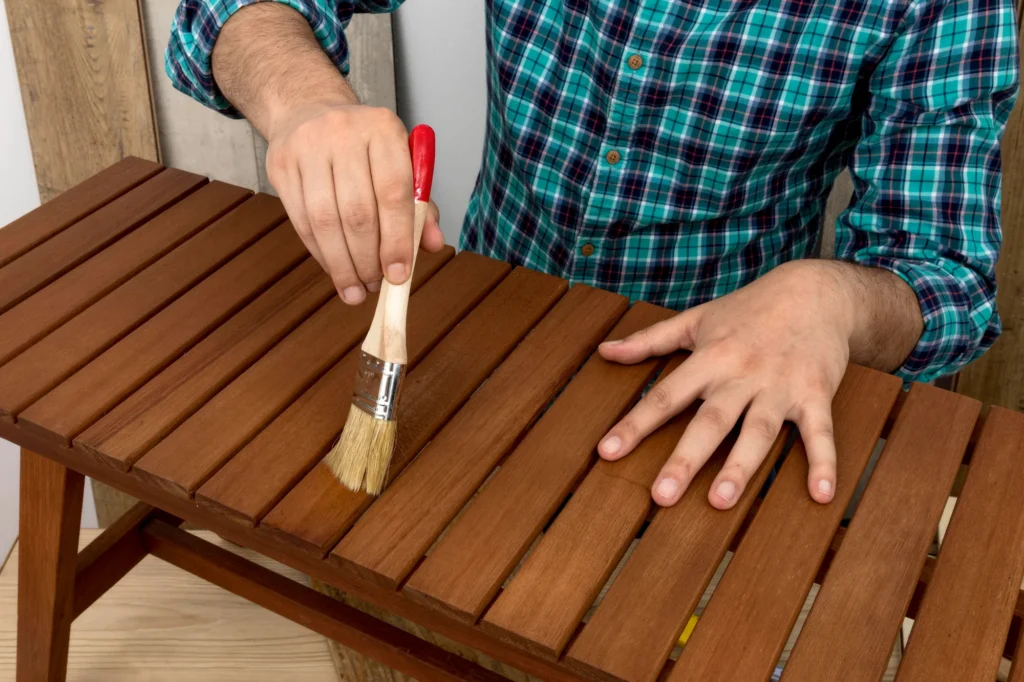
Even after using a strong wood treatment system like Shashel, proper maintenance is important to keep wood safe for a long time. Shashel removes existing wood pests using microwave technology, but regular care ensures that new problems do not start again.
Wood is a natural material, and it can still be affected by moisture, environment, and aging. That is why simple maintenance steps can help extend the life of treated wood and keep it strong.
In this article, we will explain easy maintenance tips after Shashel treatment in simple language.visit for more details Shashel
Why Maintenance Is Important After Shashel
Shashel kills woodworms and other pests inside wood, but wood still remains exposed to environmental conditions.
Without maintenance:
- Moisture can enter wood
- New insects may try to attack untreated areas
- Existing weak spots may get worse over time
Proper care helps maintain the protection provided by Shashel.
Keep Wood Dry and Moisture-Free
Moisture is one of the biggest reasons wood gets damaged again.
To protect treated wood:
- Avoid water leakage near wooden structures
- Keep rooms well ventilated
- Use dehumidifiers in humid areas
- Fix roof or pipe leaks quickly
Dry wood is less attractive to insects and stays stronger for longer.
Regular Visual Inspection
It is important to check wooden items regularly after treatment.
Look for:
- New small holes
- Powder-like dust
- Cracks or weak areas
- Any unusual changes in texture
Early detection helps prevent serious damage.
Clean Wooden Surfaces Properly
Dust and dirt can sometimes hide early signs of pest activity.
Simple cleaning tips:
- Wipe furniture regularly
- Use dry or slightly damp cloth
- Avoid harsh chemical cleaners
- Keep corners and hidden areas clean
Clean wood is easier to monitor and maintain.
Avoid Excess Moisture Exposure
Wood should not be exposed to continuous damp conditions.
Try to:
- Keep furniture away from wet walls
- Avoid placing wood directly on wet floors
- Ensure proper air circulation around wooden items
This helps maintain the effectiveness of Shashel treatment.
Protect Wood from Outdoor Conditions
If wood is used outdoors, extra care is needed.
Outdoor tips:
- Use protective coatings if required
- Avoid direct rain exposure
- Check for cracks regularly
- Reapply protection if needed over time
Outdoor wood is more vulnerable to damage.
Maintain Good Airflow in Rooms
Good airflow reduces moisture buildup inside rooms.
You can:
- Open windows regularly
- Use fans for circulation
- Avoid blocking ventilation areas
This keeps wooden structures dry and stable.
Avoid Ignoring Early Signs
Even after Shashel treatment, it is important to stay alert.
If you notice early signs like:
- Tiny holes
- Dust near furniture
- Weak wood sound
Take action quickly before the problem grows.
Combine Shashel with Preventive Care
Shashel is powerful, but combining it with preventive care gives the best results.
Preventive care includes:
- Moisture control
- Regular cleaning
- Routine inspections
Together, these steps improve long-term protection.
Keep Furniture Properly Positioned
Placement of furniture also affects wood safety.
Try to:
- Keep furniture away from damp corners
- Avoid direct contact with wet walls
- Leave small space for airflow behind wooden items
Proper placement helps reduce risk.
Check Hidden Wooden Areas
Some wooden parts are not visible, such as:
- Inside furniture joints
- Behind wall panels
- Under floors
- Inside beams
These areas should also be checked occasionally.
Re-Treatment When Necessary
In rare cases, if new infestation appears, a repeat Shashel treatment may be needed.
This ensures:
- Complete removal of new pests
- Continued protection of wood
- Long-term stability
Final Thoughts on Shashel Maintenance Tips for Long-Lasting Wood Protection
Shashel provides strong protection against wood pests, but proper maintenance helps keep that protection effective for years. Simple steps like keeping wood dry, cleaning regularly, and checking for early signs can make a big difference.
With regular care and attention, Shashel-treated wood stays strong, safe, and long-lasting in homes, furniture, and buildings.